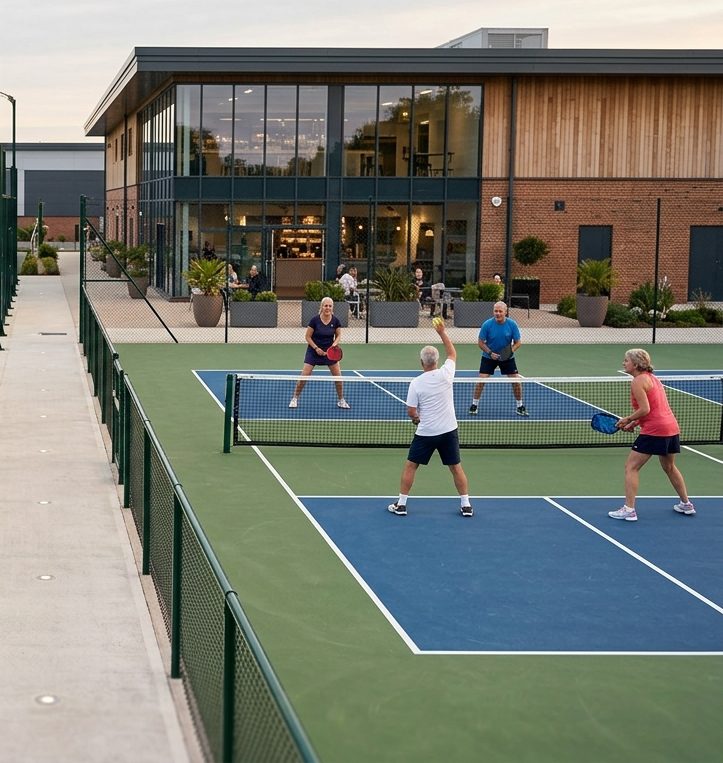


Padel typically requires more capital to build, but it has a larger established player base in Britain and can support strong court-booking revenues. Pickleball can offer a lower-cost route into the racket-sport market, particularly when existing courts or indoor spaces can be converted rather than built from scratch. Neither sport is automatically the better investment. … Read more
Blog
VAT loans allow a business to finance an upcoming HMRC VAT bill rather than taking the full payment from working capital at once. The VAT liability is paid using the finance and the business then repays the lender through agreed instalments. For a business with cash tied up in stock, unpaid customer invoices, payroll or … Read more
Financing an escape room or immersive entertainment venue usually means spreading the cost of set design, props, technology, and fit-out across a fixed monthly repayment, rather than paying the full build cost upfront. This keeps cash available for marketing and staffing in the crucial first months of trading, when a new venue is still building … Read more
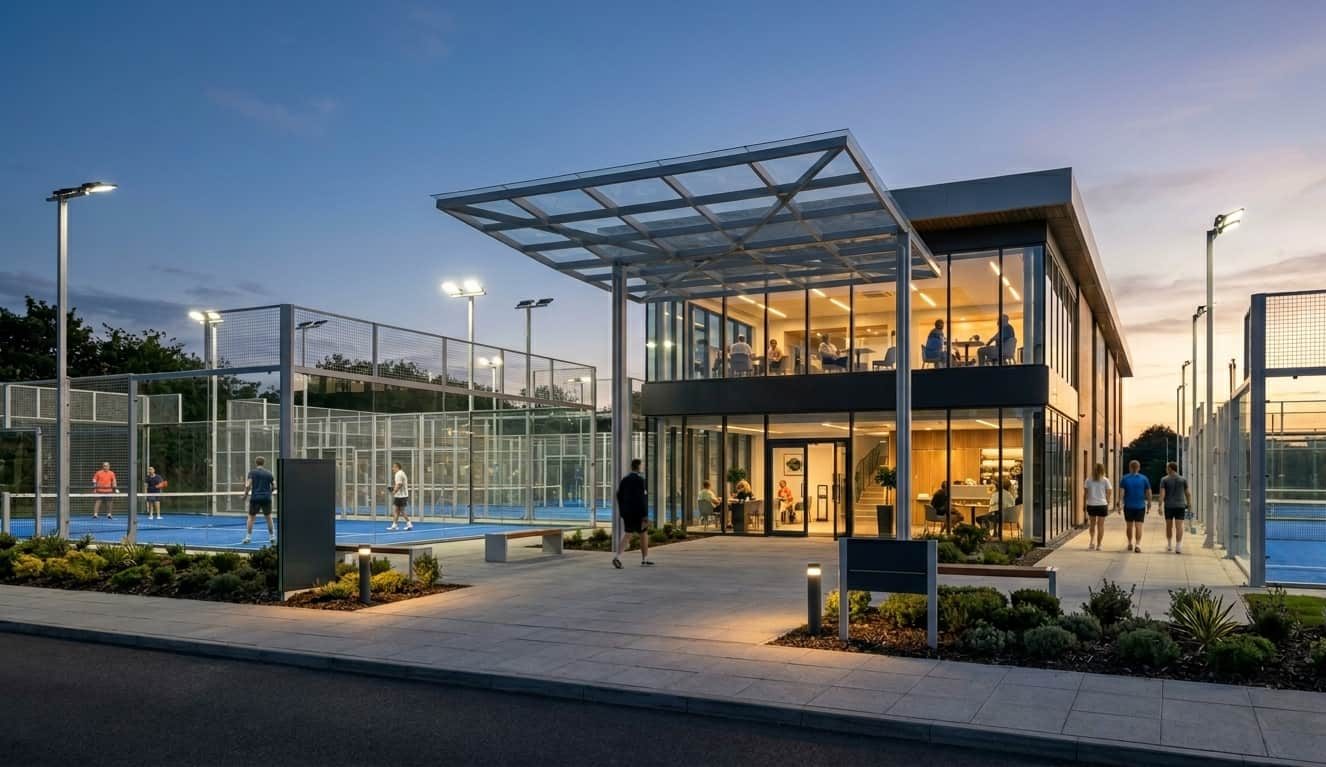
Padel continues to grow in popularity across the UK, creating opportunities for sports clubs, leisure operators and entrepreneurs looking to invest in new facilities. The challenge is often the upfront cost. By the time you’ve factored in the courts themselves, installation, surfacing, fencing, lighting, and site preparation, the total investment can quickly reach six figures. … Read more
Padel Court Finance UK Padel is growing quickly across the UK, with more clubs, gyms, leisure centres and private operators looking to add courts to meet demand. Building a padel court or launching a full padel venue can be a great opportunity, but it is also a significant investment. Courts, groundworks, lighting, fencing, access systems, … Read more
Opening a second location can be a significant investment for any business. Even where the existing site is performing well, much of the revenue it generates is already committed to day-to-day costs such as wages, rent, stock, utilities, and marketing. That can make funding new premises challenging without putting pressure on cash flow. The cost … Read more
For many reformer pilates studios, growth creates a practical challenge. Classes fill up, waiting lists start to form, and demand continues to grow, but the studio only has so many reformer beds available. At some point, increasing capacity means investing in more equipment. The difficulty is that quality reformer beds represent a significant investment. Once … Read more
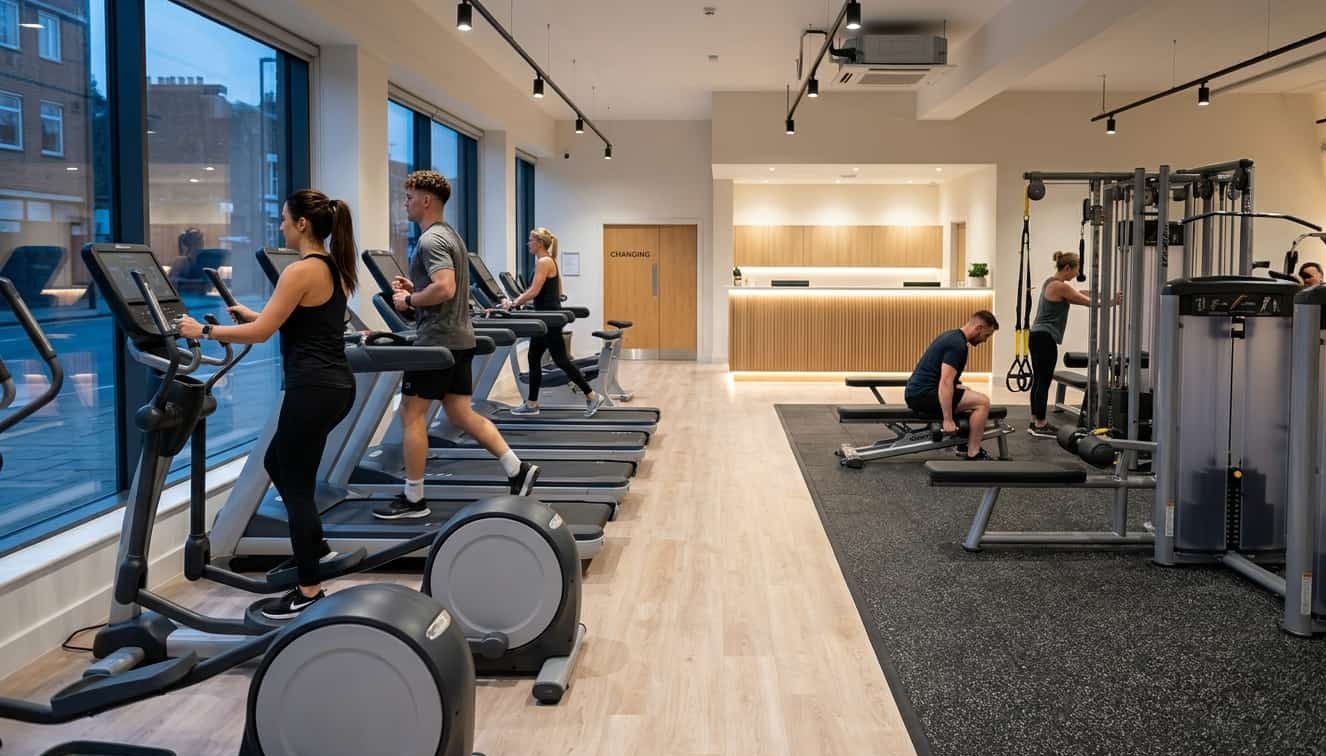
A gym’s appearance can have a significant impact on member retention and new sign-ups. Members notice when equipment looks dated, flooring is worn, lighting feels tired or changing facilities no longer meet expectations. While these issues may not affect the quality of the workout itself, they can influence how members perceive the overall experience. In … Read more
Equipment finance/Equipment leasing is a practical way for UK businesses to access the equipment they need without paying the full cost upfront. Whether you’re investing in machinery, vehicles, IT systems, catering equipment, gym kit, or office technology, leasing allows you to spread the cost over fixed monthly payments while protecting cash flow. At Johnson Reed, … Read more
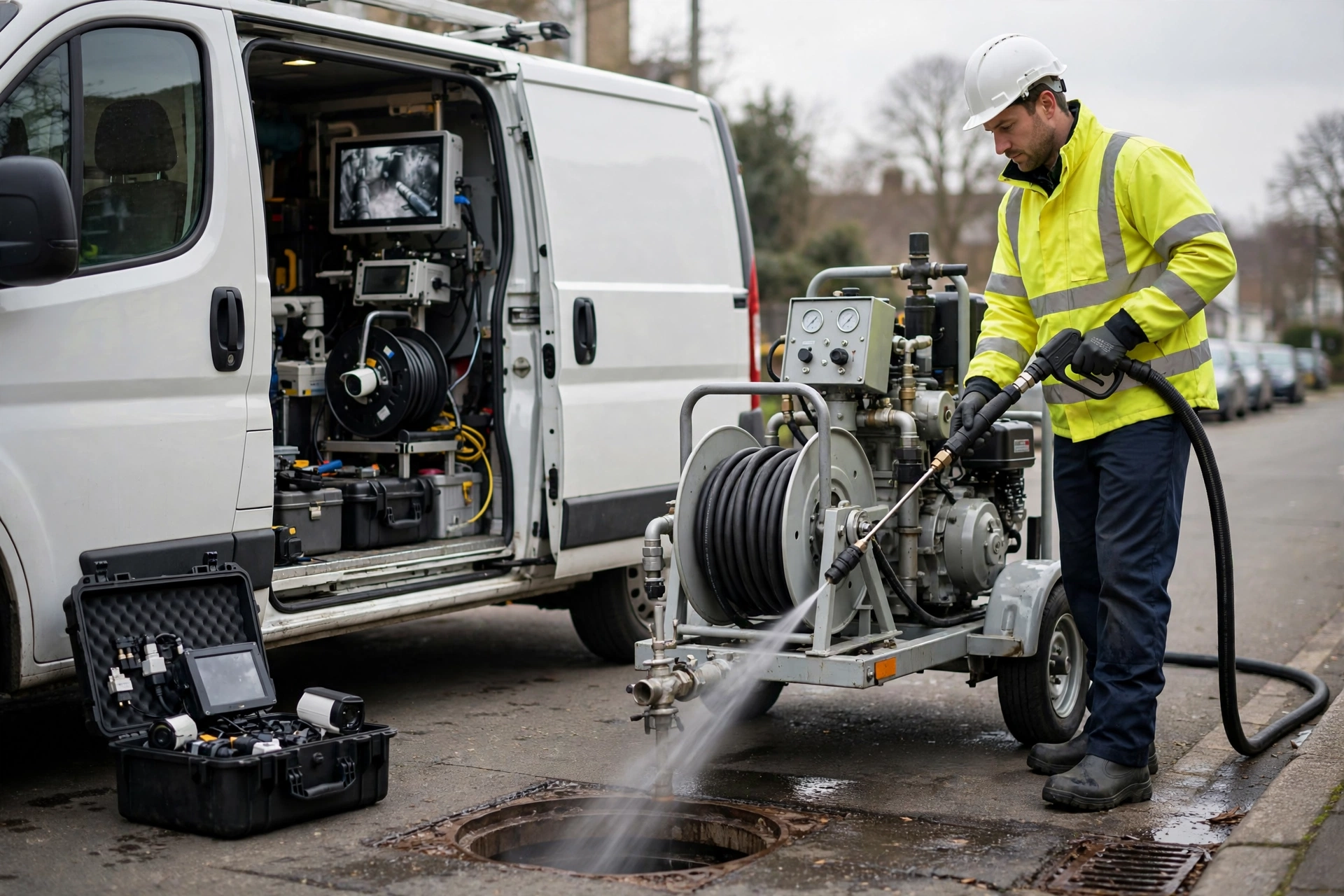
Not every business relies on standard equipment. Some industries depend on specialist machinery, bespoke technology, unusual fit-outs, or niche equipment that many lenders simply don’t understand. While these assets can be essential to how a business operates, financing them isn’t always straightforward through traditional routes. At Johnson Reed, we regularly help businesses explore funding options … Read more