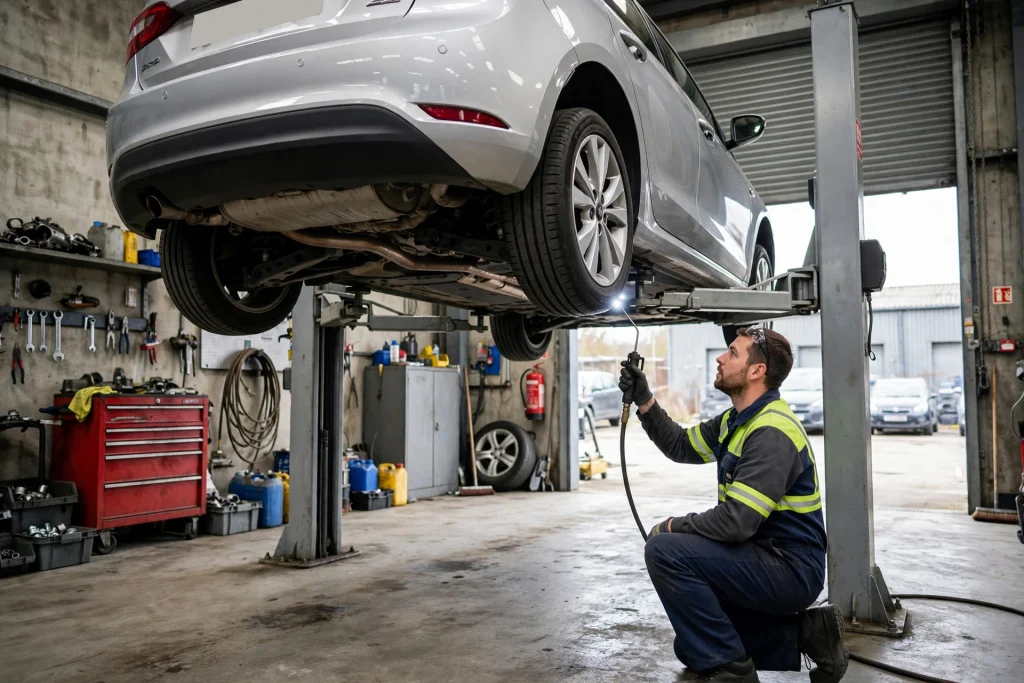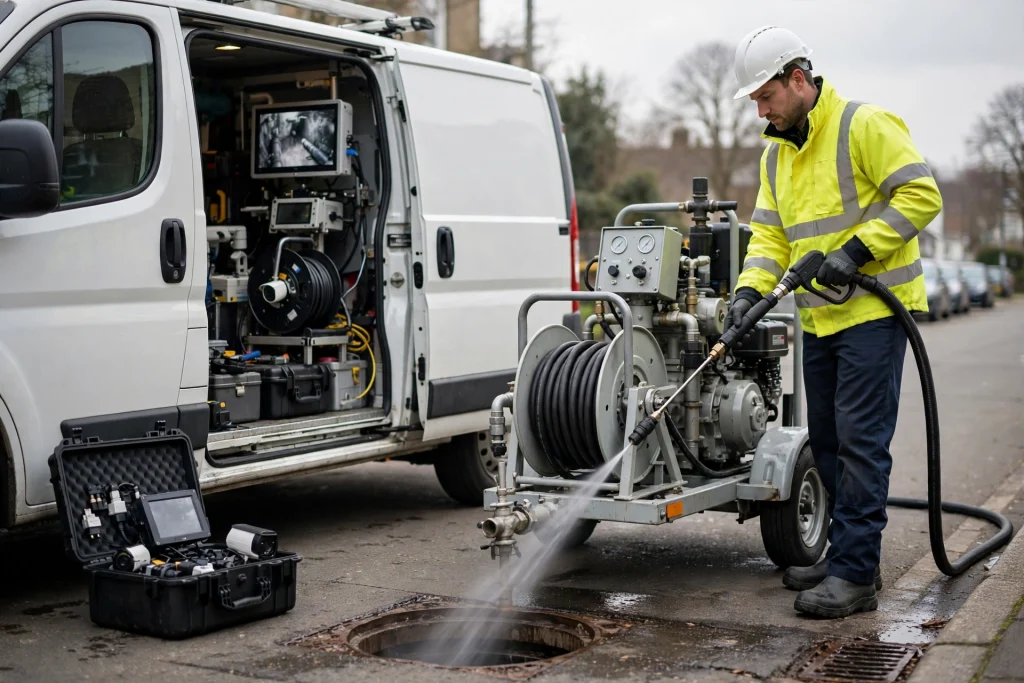








Many businesses have valuable equipment sitting on their balance sheet without realising it could help improve cash flow.
Machinery, vehicles, plant equipment, and specialist assets often hold significant value, even years after purchase. With equipment refinance, businesses can release some of that equity back into the company without selling the assets or disrupting operations.
At Johnson Reed, we help businesses explore equipment refinance and asset refinance solutions that can unlock working capital while allowing the business to continue using the equipment as normal.
What Is Equipment Refinance?
Equipment refinance allows businesses to raise funds against assets they already own or have partly paid off.
Rather than taking out a completely separate unsecured business loan, the financing is secured against the equipment itself. This can help businesses release cash tied up in machinery, vehicles, or operational equipment while spreading repayments over an agreed term. Comparing this route against equipment loans vs buying outright can help clarify which structure suits a specific asset.
Businesses commonly refinance:
- Plant and machinery
- Construction equipment
- Commercial vehicles and fleets
- Manufacturing equipment
- Gym and fitness equipment
- Catering equipment
- Medical and dental equipment
- IT and technology assets
For many businesses, it’s a practical way to improve business liquidity without affecting day-to-day operations.
Why Businesses Use Equipment Refinance?
Businesses use equipment refinance for a range of reasons, particularly when cash flow is tight or growth opportunities arise.
Refinancing can help businesses:
- Release working capital from existing assets
- Improve short-term cash flow
- Fund expansion plans
- Invest in new equipment or technology
- Consolidate existing finance agreements
- Cover VAT or tax liabilities
- Reduce pressure on overdrafts or unsecured borrowing
Instead of leaving value tied up in equipment, refinancing can help put that capital back to work within the business, alongside broader business equipment finance options where further investment is needed.
How Does Equipment Refinance Work?
The process is usually straightforward. First, the equipment is assessed based on factors such as age, condition, and market value. Existing finance agreements are then reviewed to understand whether there is equity available within the assets.
If suitable, a refinance agreement can be arranged that releases a lump sum back into the business while restructuring repayments into manageable monthly costs. You can get an indicative figure for your own equipment using our finance calculator before applying.
At Johnson Reed, we help businesses understand what may be possible and work with lenders to explore suitable refinance options based on the assets involved and the needs of the business.
When Does Asset Refinance Make Sense?
Asset refinance can be particularly useful when businesses need access to cash but want to avoid disrupting operations or selling important assets.
Common situations include:
- Expanding into new premises
- Purchasing additional stock or equipment
- Managing seasonal cash flow
- Funding recruitment or growth plans
- Releasing equity from owned machinery
- Supporting day-to-day working capital
For businesses with valuable assets already in place, refinancing can often be a more flexible option than taking on additional unsecured borrowing.
Which Industries Commonly Use Equipment Refinance?
Asset refinance is widely used across industries where equipment forms a large part of the business operation, including sectors we support directly through our plant and machinery finance team.
This commonly includes:
- Construction and engineering
- Manufacturing and production
- Transport and logistics
- Hospitality and catering
- Healthcare and medical businesses
- Fitness and leisure operators
Where businesses rely heavily on equipment, there is often an opportunity to unlock value from assets that are already owned or partly financed.
Why Work with Johnson Reed?
At Johnson Reed, we take a practical, broker-led approach to equipment refinance.
Rather than offering one-size-fits-all lending, we work with businesses to understand their existing assets, cash flow position, and wider funding goals before exploring suitable finance solutions. New businesses without a trading history can also explore start-up loans alongside refinance as part of a wider funding package.
Businesses choose Johnson Reed because we offer:
- Access to a wide panel of lenders
- Flexible equipment refinance solutions
- Support for new and established businesses
- Finance for both standard and specialist assets
- Straightforward guidance throughout the process
- Fast, efficient application handling
Our aim is to help businesses improve financial flexibility while keeping operations moving smoothly.
FAQs
What is equipment refinance?
Equipment refinance allows businesses to release cash from assets they already own or are partly financing while continuing to use the equipment.
Can I refinance equipment that already has finance on it?
In many cases, yes. If there is equity within the asset, refinance options may still be available.
What can released funds be used for?
Businesses commonly use refinance funds for working capital, expansion, stock purchases, VAT bills, recruitment, or new investments.
Does equipment refinance affect ownership?
This depends on the finance structure, but businesses usually continue using the equipment throughout the agreement.
What types of assets can be refinanced?
Machinery, vehicles, plant equipment, catering equipment, gym equipment, medical devices, and technology assets are all commonly refinanced.
Final Thoughts
Equipment refinance can be an effective way for businesses to release cash tied up in machinery, vehicles, and operational assets without selling the equipment they rely on every day.
For many businesses, it provides a practical route to improving working capital, supporting growth, and creating greater financial flexibility.
If your business owns valuable equipment, it may be worth exploring whether asset refinance could help unlock additional funding, or speaking with our specialist finance team directly.