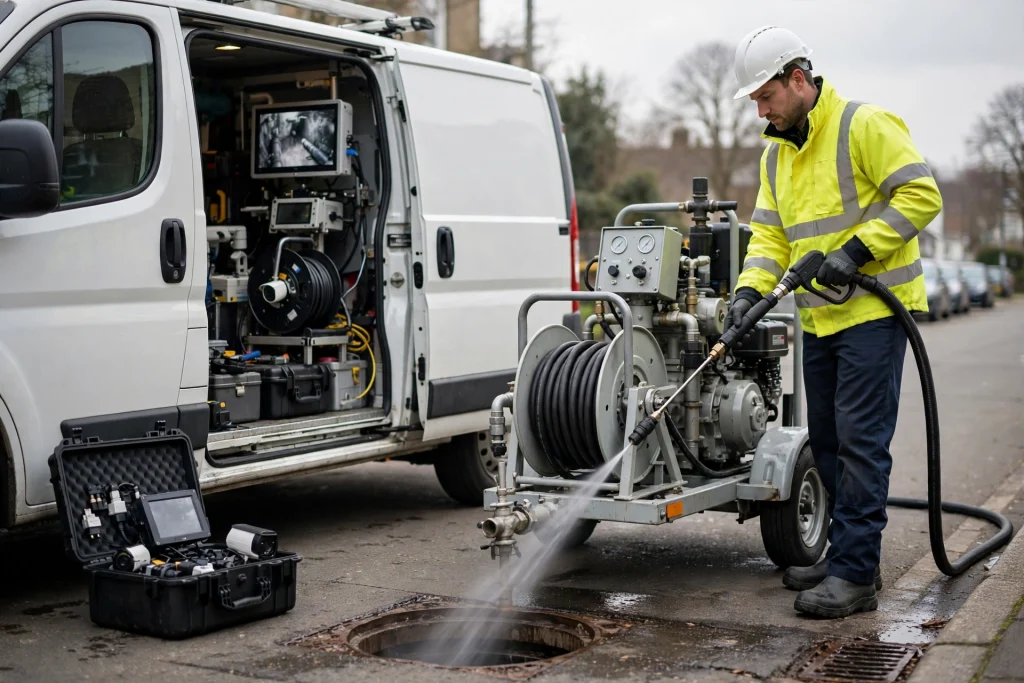








The right equipment can make a huge difference to your business.
It could help you serve more customers, increase capacity, improve efficiency or finally get a growth plan off the ground. The problem is that machinery, vehicles, technology and specialist equipment can come with a sizeable upfront cost.
Equipment financing allows you to spread that cost over an agreed term rather than paying for everything in one go.
That means you can get the equipment your business needs while keeping more cash available for wages, stock, marketing and the other costs involved in running and growing a business.
Whether you need gym equipment, commercial kitchen appliances, construction machinery, vehicles, IT systems or something a little more unusual, there may be an equipment finance option to suit you.
What is equipment financing?
Equipment financing is a general term used to describe funding that helps a business purchase, lease or refinance equipment.
In the UK, it is more commonly referred to as equipment finance or asset finance.
Depending on the type of agreement, a lender may purchase the equipment from your chosen supplier and allow your business to use it in return for regular payments. Alternatively, funding may be provided through Hire Purchase or another finance facility.
The most suitable option will depend on:
- What you are buying
- How much it costs
- How long you expect to use it
- Whether you want to own it
- Your business’s financial circumstances
Equipment finance is not limited to large companies or major machinery purchases. It can be used by businesses of different sizes and across almost every industry.
How does equipment finance work?
The process is usually straightforward:
- Choose the equipment
Find the equipment you need and request a formal quote from the supplier.
- Explore your finance options
A broker such as Johnson Reed will look at the equipment, your business and what you want from the agreement before approaching suitable funders.
- Complete the application
The lender may ask for information such as business bank statements, accounts, and projections.
- The supplier is paid
Once the finance is approved and the documents are signed, payment is made to the equipment supplier.
- Start using the equipment
Your business can put the equipment to work while making the agreed monthly payments.
What happens at the end will depend on whether the agreement is a lease, Hire Purchase or another form of equipment funding.
What equipment can be financed?
Equipment financing can cover much more than traditional machinery.
Examples include:
- Manufacturing and production machinery
- Construction equipment and plant
- Commercial vehicles and vans
- Gym and fitness equipment
- Pilates reformers and studio equipment
- Commercial kitchen and catering equipment
- Medical, dental and beauty equipment
- IT hardware, computers and servers
- Software and telecommunications systems
- Office furniture and equipment
- Fit-out – lighting, mirrors, flooring
- Renewable energy equipment
- Agricultural equipment
- Security and access systems
- Specialist tools and trade equipment
At Johnson Reed, we also specialise in financing the less obvious items that some traditional lenders struggle to understand. We call it Quirky Kit: equipment that might be unusual, but is essential to the way your business operates.
The main types of equipment financing
There is no single finance option that works for every business.
The right structure depends on whether you want to own the equipment, how quickly it may need replacing, and how you would prefer to manage the cost.
Hire Purchase
Hire Purchase, often shortened to HP, is commonly used for equipment that a business wants to keep for the long term.
The lender purchases the equipment, and your business makes regular payments over an agreed period. A deposit may be required at the beginning of the agreement.
Once all the agreed payments and any applicable final fee have been made, ownership of the equipment transfers to your business.
Hire Purchase may suit equipment that is expected to remain useful and hold some value after the finance term ends, such as:
- Manufacturing machinery
- Commercial vehicles
- Agricultural equipment
- Engineering equipment
It provides a clear route to ownership while allowing the cost to be spread over time.
Finance Lease
A Finance Lease allows your business to use equipment for an agreed primary rental period.
The lender purchases the equipment, and your business then makes regular rental payments for its use.
At the end of the primary term, the available options may include:
- Purchasing the equipment by making one final payment
- Upgrading the equipment
- Returning the equipment to the lender
- Continuing to lease the equipment
The exact options will be explained within the agreement.
A Finance Lease may be suitable when you want to:
- Spread the cost through regular payments
- Keep more working capital within the business
- Use the equipment for most of its working life
- Avoid a large upfront purchase
It is commonly used for fitness equipment, commercial catering equipment, technology, office equipment and other business assets.
Equipment refinancing
Equipment refinancing allows a business to release some of the value tied up in equipment it already owns.
A lender assesses the equipment and provides funding based on its current value. Your business can continue using the asset while repaying the new finance agreement.
This can provide additional working capital without forcing the business to sell equipment it still needs.
Equipment refinancing may be used to:
- Support business expansion
- Improve short-term cash flow
- Purchase stock or materials
- Fund a deposit for another project
- Consolidate existing commitments
- Invest in another area of the business
The amount available will depend on the equipment’s age, condition, value and whether any finance is already secured against it.
Equipment leasing or Hire Purchase: which is better?
Neither is better – it depends on what your business needs. Your Johnson Reed account manager will guide you through the process and help you pick the most fitting finance solution.
Our team can explain the differences without burying you in finance jargon.
What are the benefits of equipment financing?
Protect your cash flow
Paying for equipment outright can remove a significant amount of cash from your business at once.
Finance allows you to spread the cost and keep more money available for your everyday expenses and plans.
Get equipment sooner
Instead of waiting until you have saved the full purchase price, you can start using the equipment and generating value from it sooner.
Make payments easier to plan
Many equipment finance agreements use fixed monthly payments, making it easier to budget and forecast your costs.
Invest in better equipment
Spreading the cost may give you access to equipment that is better suited to your plans than the cheaper option you could afford outright.
Let the equipment pay for itself
Rather than paying the full cost before the equipment has produced anything for your business, finance allows you to make payments while the equipment is being used.
Fund a wider project
Depending on the agreement, it may be possible to include associated costs such as fit-out, installation, and delivery.
Are there tax benefits to equipment finance?
Lease payments are 100% tax deductible.
Do you need to provide security?
The equipment being financed will often form part of the lender’s security.
However, this does not mean that additional security will never be requested. Depending on the business, the equipment and the strength of the application, a lender may request a director’s personal guarantee or other supporting security.
We will explain any requirements before you agree.
Can a new business apply for equipment finance?
Some new-start businesses can be considered for equipment finance.
The lender may look at:
- The type and value of the equipment
- The deposit available
- The directors’ industry experience
- The business plan and financial projections
- Personal credit history
- Whether a personal guarantee or guarantor is available
New-start equipment finance is assessed differently from funding for an established business, and fewer options may be available.
A strong application should clearly explain how the equipment will be used and how the business expects to meet the repayments.
What information will you need to apply?
The exact requirements vary between lenders, but it helps to have the following ready:
- A formal equipment or supplier quote
- Details of the equipment being purchased
- The amount you want to finance
- Your preferred repayment term
- Recent business bank statements
- Filed or management accounts
- Business and director details
- Details of any existing finance commitments
Do not worry if you do not have everything ready immediately. We can tell you what is likely to be needed once we understand the project.
How much can you finance?
Johnson Reed can arrange equipment finance starting from around £5,000, with larger facilities available for suitable projects.
The amount and terms available will depend on:
- The equipment
- Your business’s trading history
- Affordability
- Credit history
- The finance structure
- The lender’s criteria
Equipment finance agreements are commonly arranged over two to five years.
All finance is subject to status and lender approval.
Why arrange equipment finance through Johnson Reed?
Different lenders have different appetites.
One may be comfortable funding manufacturing equipment but reluctant to consider software. Another might understand established businesses but have limited options for newer companies.
Johnson Reed works with a wide panel of UK lenders alongside access to our own funding facilities. This allows us to look beyond a single set of lending criteria and find an option that fits the business and the equipment.
We can help with:
- Equipment leasing
- Hire Purchase
- Equipment refinancing
- Specialist and non-standard assets
- Fit-out packages
- Funding for established businesses and eligible new starts
You will deal with a real person who takes the time to understand what you are buying, why you need it and how it will support your business.
No unnecessary jargon. No squeezing your plans into a one-size-fits-all product.
Just straightforward equipment finance built around your business.
Speak to an equipment finance specialist
From everyday equipment to something completely out of the ordinary, we will explore the available options and clearly explain how they work.
Tell us what you are planning, share your supplier quote and let our team take it from there.