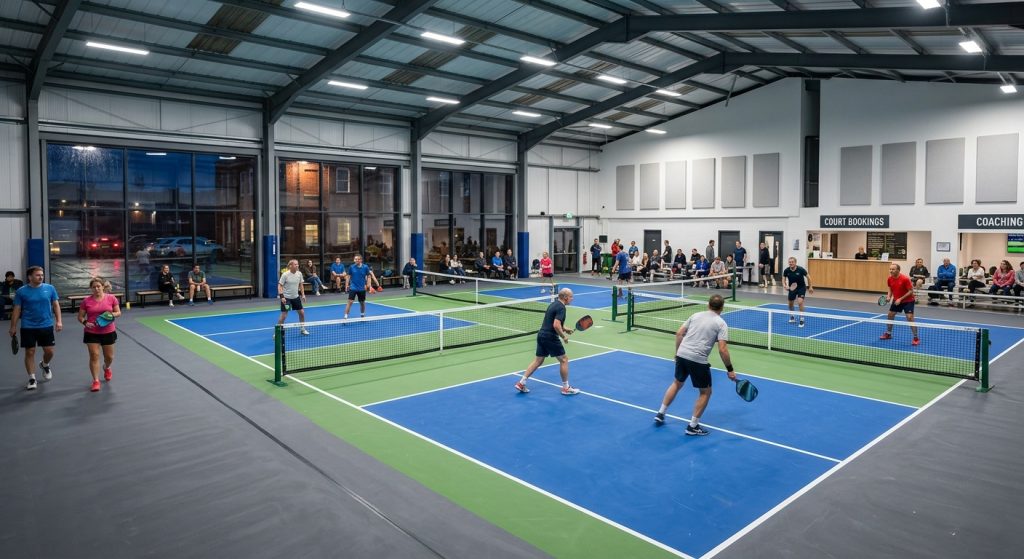







Padel is one of the fastest-growing sports in the UK. Demand for courts has increased rapidly as players look for accessible, social, and year round sports facilities. This growth has created strong opportunities for entrepreneurs interested in launching a padel venue.
Many business owners speak with Johnson Reed when planning their investment, as the setup costs, planning process, and funding requirements need careful consideration. This guide explains how to set up a padel court business, covering planning, costs, location, and financial structure. The aim is to help you build a sustainable and successful business.
Setting up a padel court business requires more than building courts. Long term success depends on site selection, operating costs, pricing strategy, and access to the right funding.
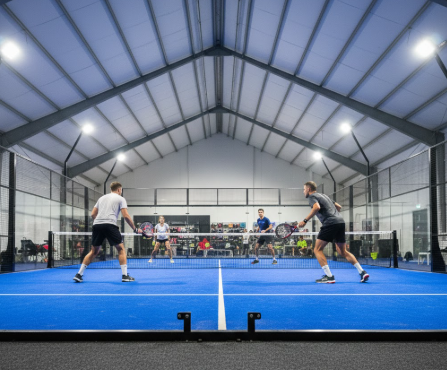
Why Padel Is a Growing Business Opportunity in the UK
Padel appeals to a wide range of age groups and skill levels. It is easier to learn than tennis, highly social, and works well for clubs, leisure centres, and private venues.
Competitor analysis shows that successful padel venues focus on community building, coaching programmes, and corporate bookings rather than court hire alone. Businesses that combine sport with hospitality and events tend to generate higher lifetime customer value.
This growth trend has encouraged investors to explore the padel court business as a scalable and repeat visit model.
How to Set Up a Padel Court Business
Setting up a padel court business in the UK involves several structured steps. These include business planning, site selection, court installation, compliance, and financial planning.
Costs and timelines vary based on indoor or outdoor courts, land ownership, and the number of courts planned. A realistic approach avoids cash flow pressure once the business opens. Planning each stage carefully helps control costs and improves investor confidence.
Choosing the Right Location
Location is one of the most important decisions. Successful padel venues are usually placed near residential areas, business parks, or existing sports facilities.
Indoor venues allow year round play and stable income but require higher upfront investment. Outdoor courts cost less initially but depend more on weather and seasonal demand. With UK weather, outdoor courts would likely have a dip in players during the cold Winter months.
Transport access, parking, and visibility all influence booking levels and long term growth.
Understanding Setup and Construction Costs
Padel court installation costs typically range from £25,000 to £45,000 per court. Indoor facilities can exceed this once building, lighting, and insulation are included.
Additional costs include ground preparation, fencing, glass walls, and lighting systems. Budgeting for professional installation is essential to meet safety standards.
Competitor data shows that venues investing in quality courts experience fewer maintenance issues and higher customer retention.
Planning Permission and Legal Requirements
Most padel court businesses require planning permission, especially for new builds or change of land use. Noise management, lighting, and parking plans are often reviewed by councils.
Insurance, health and safety policies, and public liability cover are mandatory before opening. These costs are often underestimated by first time operators.
Early engagement with local authorities reduces delays and unexpected expenses.
Creating a Padel Court Business Plan
Padel Court Business Plan UK Essentials
A strong padel court business plan UK outlines costs, pricing, target market, and revenue streams. It should include conservative assumptions rather than best case scenarios.
Revenue typically comes from court bookings, coaching, memberships, events, and corporate sessions. Secondary income streams such as cafés or shops improve margins. Lenders and investors expect clear forecasts and a defined growth strategy.
Padel Court Business Plan for Long-Term Growth
A detailed padel court business plan also covers staffing, marketing, and expansion potential. Many successful venues plan future courts or additional locations from the start.
Competitors that scale effectively often standardise operations early. This includes booking systems, pricing models, and coaching programmes. Planning for growth avoids costly changes later.
Funding a Padel Court Business
Padel court businesses often require significant upfront investment. Funding helps spread costs and protects working capital during the early months.
Many owners explore business loans for UK businesses to support construction, equipment, and launch costs. Funding also provides flexibility if timelines extend or costs increase.
Unsecured Business Funding for Sports Businesses
Some entrepreneurs prefer finance options that do not require property as security. Unsecured funding allows faster access to capital and reduces personal risk.
This approach is often used for equipment, marketing, and early operating costs. Speed matters when securing land or installation slots. Businesses often review unsecured business loans for flexibility and quicker approvals.
Long Term Funding for Facilities and Expansion
Indoor padel centres and multi-couple court venues benefit from structured finance. Long term funding aligns repayments with predictable booking income.
This approach supports stable cash flow while the customer base grows. It also helps avoid over reliance on short term finance. Some operators explore long term business loans to support larger investments.
Operating a Successful Padel Court Business
Running a padel court business requires consistent focus on customer experience. Clean facilities, reliable booking systems, and friendly staff encourage repeat visits.
Pricing should reflect local demand while remaining accessible. Memberships and off-peak pricing help maintain steady utilisation.
Competitors that invest in coaching and community events often outperform those relying only on casual bookings.
Marketing and Customer Acquisition
Local marketing plays a major role in early growth. Social media, partnerships with gyms, and introductory offers help build awareness.
Corporate bookings and leagues provide recurring revenue. Schools and clubs also offer long-term engagement opportunities.
Clear branding and professional presentation improve credibility and trust.
Managing Ongoing Costs
Ongoing expenses include rent, utilities, staff wages, maintenance, and insurance. Indoor venues should plan carefully for energy costs.
Regular financial reviews help maintain profitability. Monitoring court utilisation highlights opportunities to adjust pricing or promotions. Working capital reserves protect the business during slower periods.
Scaling the Business Over Time
Once the business is established, expansion becomes an option. Adding courts, launching leagues, or opening new locations increases revenue potential.
Competitors that scale successfully usually reinvest profits rather than relying entirely on new funding. This strengthens long term stability.
Planning expansion within the original business model simplifies future decisions.
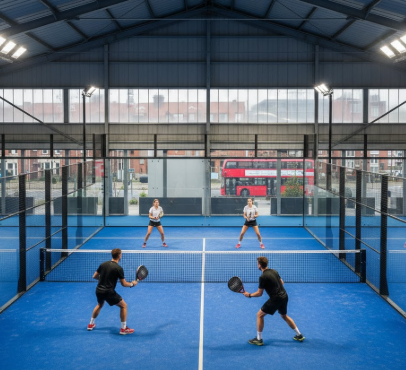
Closing Thoughts: Building a Profitable Padel Court Business
Understanding how to set up a padel court business is essential before committing capital. From planning and construction to funding and operations, every stage affects long term success.
A strong business plan, the right location, and access to suitable funding create a solid foundation. With growing demand across the UK, padel offers real opportunity for well prepared entrepreneurs.
Taking a structured approach allows you to build a venue that attracts loyal players and delivers consistent returns.
FAQ: Setting Up a Padel Court Business in the UK
What factors should I consider before setting up a Padel court business?
Key factors include location, target audience, indoor or outdoor setup, costs, planning permission, and funding options.
How do I attract players to a new Padel venue?
Marketing strategies include social media promotion, local partnerships, coaching programmes, membership deals, and hosting leagues or tournaments.
Can a small scale padel court business be profitable?
Yes, even a single or two court facility can generate steady income if bookings, coaching sessions, and events are managed efficiently.
What is the typical revenue model for a padel court business?
Revenue comes from court hire, memberships, coaching lessons, tournaments, events, and additional services like cafés or merchandise.
Do I need professional help to plan a padel court business?
Professional advice on funding, construction, and business planning helps reduce risks and ensures compliance with local regulations.