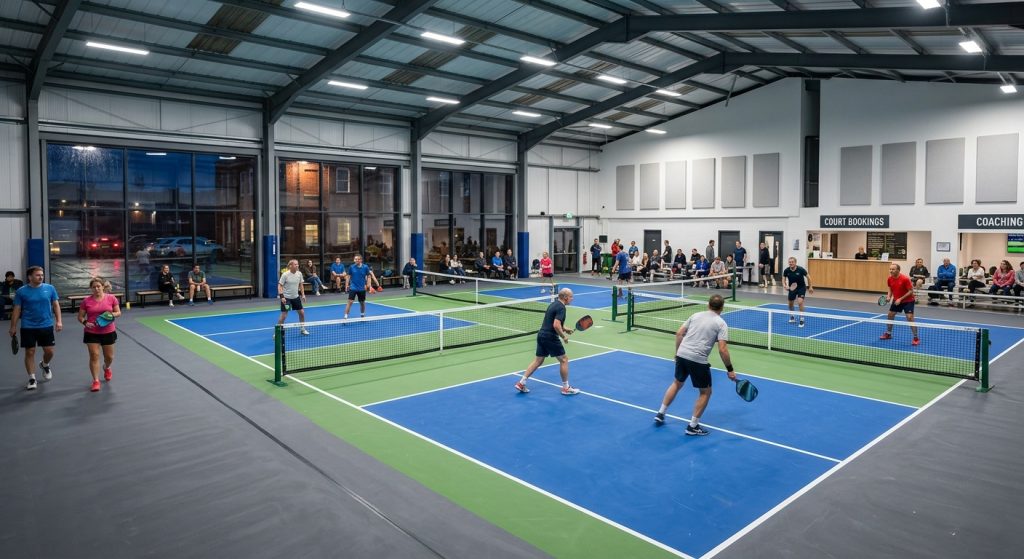








Padel Court Finance UK
Padel is growing quickly across the UK, with more clubs, gyms, leisure centres and private operators looking to add courts to meet demand.
Building a padel court or launching a full padel venue can be a great opportunity, but it is also a significant investment. Courts, groundworks, lighting, fencing, access systems, changing areas and fit-out costs can all add up quickly.
That is where finance can help.
At Johnson Reed, we help businesses spread the cost of padel court projects with flexible finance options, making it easier to get started without tying up large amounts of cash upfront.
Why invest in padel?
Padel has grown rapidly across Europe and is now gaining serious momentum in the UK. It is social, accessible and easy to pick up, which makes it appealing to a wide range of players.
For operators, padel can create several revenue opportunities, including:
- Court hire
- Coaching sessions
- Tournaments and leagues
- Memberships
- Corporate events
- Equipment hire
- Food and drink sales
- Pro shop retail
It can also be a strong addition to an existing gym, tennis club, leisure centre, hotel or sports facility. Adding padel courts gives customers another reason to visit, increases dwell time and can help attract a wider audience.
Franchise model or independent venue?
There are a few different ways to enter the padel market.
Some businesses choose to work with an established franchise or partner brand. This can offer support with branding, court design, booking systems, marketing and operations.
Others prefer to build an independent venue, giving them more control over the brand, pricing, layout, customer experience and long-term strategy.
Both routes can work, but the right option depends on your goals, location, budget and experience in the leisure sector.
Franchise model
A franchise or established padel network may offer:
- Recognised branding
- Support with court design and installation
- Booking and membership systems
- Marketing support
- Operational guidance
- Supplier relationships
The downside is that franchise fees, royalties and brand restrictions can reduce flexibility and affect profit margins.
Independent venue
An independent padel club gives you more control over:
- Branding
- Pricing
- Court layout
- Membership packages
- Partnerships
- Food, drink and retail options
- Long-term growth plans
This route can involve more work at the beginning, but it allows you to build the business in your own way.
What do you need to build a padel court?
A successful padel project starts with the right site, the right suppliers and a clear understanding of costs.
Site and planning
Location is one of the most important decisions. A good site should be easy to access, with enough space for the courts, customer parking and any additional facilities you want to offer.
For outdoor courts, planning permission is often required. Local authorities may also consider things like lighting, noise, opening hours, access and the impact on nearby properties.
Indoor courts can offer more reliable year-round usage, especially with the UK weather, but they usually require a larger building and higher overall project costs.
Court specification
A standard padel court is 20m x 10m and is enclosed with glass and mesh walls. The main elements usually include:
- Court structure
- Glass panels
- Steel mesh
- Artificial turf
- Lighting
- Net system
- Access gates
- Base and groundworks
Choosing the right court supplier is important. A well-built court should be safe, durable and suitable for regular commercial use.
How much does it cost to build a padel court?
The cost of building a padel court can vary depending on the site, specification, supplier and amount of groundwork required.
As a rough guide, a single court installation can often range from around £25,000 to £60,000. Larger projects with multiple courts, indoor facilities, changing rooms, reception areas, cafés or full fit-outs will cost more.
| Project element | Typical cost range |
| Court structure and glass | £15,000 – £25,000 |
| Artificial turf | £4,000 – £8,000 |
| LED lighting | £5,000 – £12,000 |
| Groundworks and site preparation | £3,000 – £10,000 |
These figures are only a guide. Every project is different, and costs will depend on the site conditions, specification and supplier.
How long does it take to build a padel court?
Once planning, design and site preparation are complete, the physical installation of a padel court can often take around 4 to 8 weeks.
The full project timeline may be longer if you need planning permission, structural work, groundwork, building improvements or additional facilities such as changing rooms, reception areas or hospitality spaces.
Working with experienced padel court installers can help keep the project moving and reduce the risk of delays.
Financing your padel court project
Paying for a padel court project upfront can put pressure on your cash flow, especially if you are building multiple courts or launching a new venue.
Finance allows you to spread the cost over time, with fixed monthly repayments that can be built into your business plan.
Johnson Reed can help arrange finance for a wide range of padel projects, including:
- Single court installations
- Multi-court venues
- Indoor padel clubs
- Outdoor padel courts
- Court structures
- Glass and fencing
- Artificial turf
- LED lighting
- Groundworks
- Booking systems
- Access control
- Gym or clubhouse equipment
- Changing room fit-outs
- Café or hospitality equipment
We work with both new and established businesses and can support projects from smaller facility upgrades through to larger multi-court developments.
Why use finance?
Finance gives you the ability to move forward with your project while keeping cash available for other areas of the business.
This could include marketing, staffing, rent, stock, professional fees, planning costs or day-to-day running costs.
Benefits of padel court finance
- Spread the cost of your project
- Preserve cash flow
- Keep working capital available
- Fixed monthly repayments
- Finance tailored to your business
- Support for new and established operators
- Funding available for equipment, fit-out and wider project costs
- Fast decisions, subject to status and credit approval
For many businesses, finance makes the project more manageable and helps them start generating revenue sooner.
Asset finance and business loans
Depending on the project, padel court funding can be structured in different ways.
For equipment and physical assets, asset finance is often a good option. This can be used to fund the courts, lighting, turf, access systems and other equipment.
For costs that sit outside traditional equipment finance, such as planning fees, professional costs, marketing or working capital, a business loan may be more suitable.
Some operators use a combination of both. This can help keep the main equipment costs on structured finance, while giving the business extra flexibility for the wider project.
At Johnson Reed, we will look at the full project and help identify the most suitable funding route.
Planning your padel business
Before applying for finance, it is worth building a clear plan for the project.
Lenders will usually want to understand the business, the site, the costs involved and how the repayments will be managed.
Useful information may include:
- Your project cost breakdown
- Supplier quotes
- Details of the site
- Planning permission status
- Expected opening date
- Revenue forecasts
- Business plan
- Experience of the owners or management team
- Existing business accounts, if applicable
If you are a new business, a strong business plan and realistic projections are especially important.
Choosing the right location
Padel venues rely on regular footfall and strong local demand, so location matters.
A strong location may include:
- Good access by car or public transport
- Nearby residential areas
- Nearby business parks or offices
- Existing sports or leisure demand
- Parking availability
- Space for future expansion
- Limited local competition
It is also worth looking at how the venue will be used throughout the day. Evening and weekend bookings may be the busiest periods, but coaching, corporate events and off-peak offers can help improve usage during quieter times.
Building your revenue model
Padel clubs can generate income in several ways, so your finance plan should look beyond court hire alone.
Potential revenue streams include:
- Pay-as-you-play bookings
- Monthly memberships
- Coaching
- Junior sessions
- Leagues and tournaments
- Corporate bookings
- Racket hire
- Equipment sales
- Food and drink
- Sponsorship opportunities
Court booking software can also help manage availability, take payments and encourage repeat bookings.
The more clearly you can show how the venue will generate income, the easier it is to build a strong case for funding.
Choosing a padel court supplier
The quality of your installation will affect the long-term success of the project.
When choosing a supplier, consider:
- Experience in commercial padel installations
- Previous UK projects
- Court specification
- Warranty and aftercare
- Installation timescales
- Groundwork requirements
- Compliance with relevant standards
- Ongoing maintenance support
Recognised padel court and sports construction suppliers in the UK include companies such as AFP Courts, Padel Tech and Portico Sport UK.
It is worth getting detailed quotes and making sure you understand exactly what is included before committing.
Can new businesses get padel court finance?
Yes, new businesses can be considered for padel court finance, but lenders will usually need more information than they would for an established business.
This may include a business plan, cash flow forecast, supplier quotes, proof of deposit, details of the site and information about the directors.
Every application is reviewed on its own merits, and approval will depend on the strength of the overall proposal.
Johnson Reed has experience supporting new-start and growing businesses, so we can talk you through what lenders are likely to need before you apply.
Can existing businesses finance padel courts?
Yes. Existing gyms, leisure centres, tennis clubs, hotels, holiday parks and sports facilities may be able to finance padel courts as part of an expansion or diversification project.
For established businesses, lenders will usually look at trading history, accounts, affordability and the expected impact of the new courts.
Finance can help existing operators add padel without using all their available cash in one go.
Ready to finance your padel court project?
Padel is a growing opportunity for UK leisure businesses, but getting the funding right is an important part of the project.
At Johnson Reed, we help businesses spread the cost of padel court installations, equipment and fit-outs with finance tailored to their plans.
Whether you are adding one court to an existing site or developing a larger padel venue, we can help you explore the options and understand what your monthly repayments could look like.
Get in touch with our team today to discuss your project and request a tailored finance quote.