






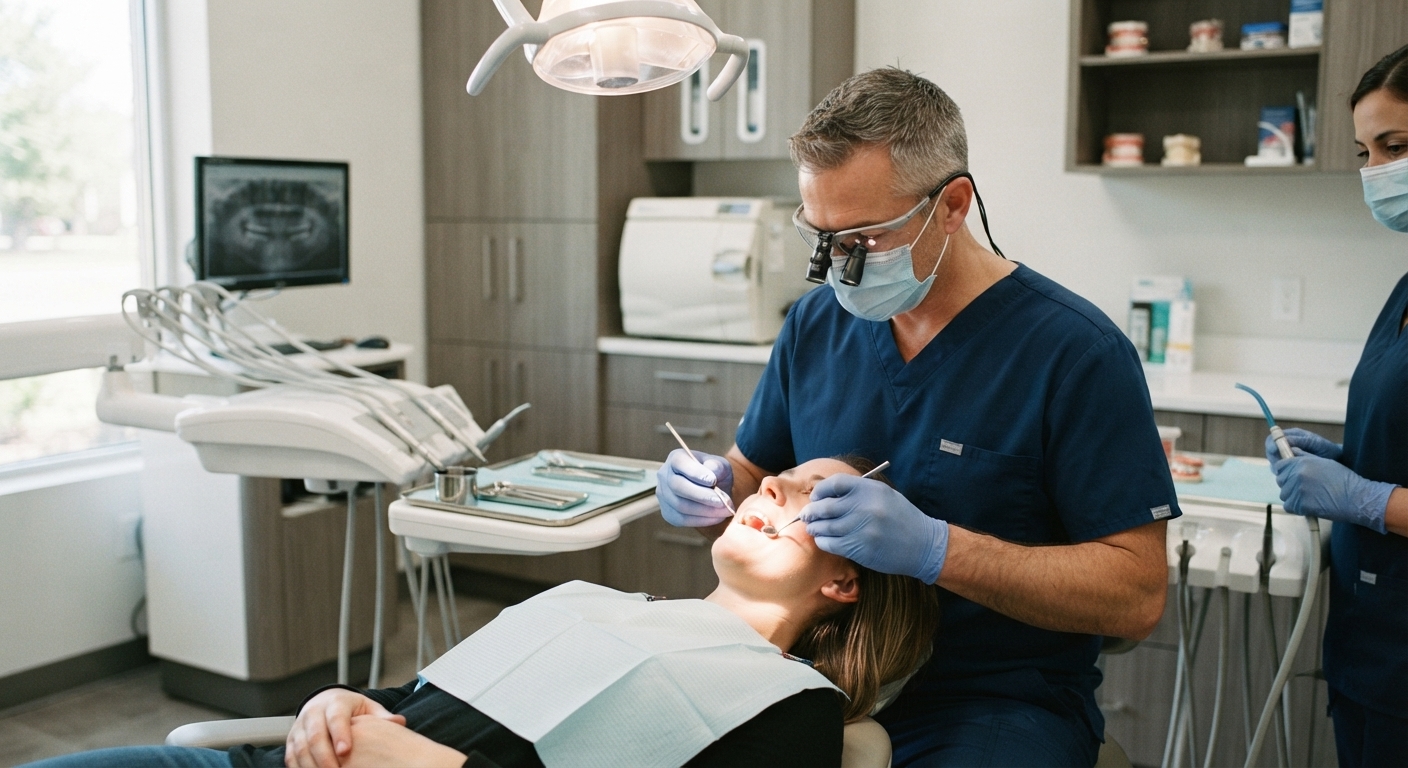
A single dental chair can cost tens of thousands of pounds once imaging and sterilisation equipment are added, and a practice fitting out a new surgery or upgrading an existing one is often looking at several of these at the same time. Paying for that outright can put real pressure on a practice’s cash flow, even when the investment is clearly going to pay for itself in future treatment income.
Dental practice equipment finance spreads that cost over fixed payments, so a surgery can be fitted out or upgraded without the practice having to find the full amount upfront. Johnson Reed works with dental practices across the UK, from single associates to larger multi-surgery clinics, to fund the equipment a modern practice relies on.
What can dental equipment finance cover?
Most of what goes into fitting out or running a surgery can be financed, including:
- Dental chairs, delivery units and surgery lighting
- Intraoral, panoramic and CBCT imaging, which often sits under medical finance
- CAD/CAM scanning and milling equipment for same-day restorations
- Sterilisation and decontamination equipment, closely related to our life sciences finance
- Practice management and imaging software
- Reception, waiting room and wider surgery fit-out
Fitting out even one surgery usually involves several of these together, and finance can be arranged to cover the whole project rather than one item at a time, which keeps the paperwork and the repayments simpler. This is particularly useful when a practice is opening a brand new surgery from an empty unit, where equipment, fit-out and IT all need to come together before the first patient can be seen. It is just as relevant when an established practice is converting a spare room into an extra surgery, since the same mix of equipment, plumbing and fit-out usually applies.
Why finance equipment rather than buy outright
Even a well-established practice can find a full surgery fit-out difficult to absorb in cash without affecting day to day running costs. Paying outright ties up money that would otherwise cover staff wages, lab fees and materials, the costs that keep the practice running week to week.
Spreading the cost through leasing or hire purchase keeps that cash free, and depending on how the agreement is structured there can be tax advantages over paying in full upfront, which your accountant can confirm against your own figures. Financing equipment can also mean fitting out a surgery to a higher standard than cash alone would allow, which matters when patients increasingly expect digital imaging and same-day treatment as standard rather than an extra.
This also affects how quickly a practice can compete on treatments that depend on specific equipment, such as same-day crowns from CAD/CAM scanning or clearer diagnosis from CBCT imaging. Financing that capability from the outset, rather than waiting until it can be paid for in cash, often means the practice starts earning from it, and building a reputation for it, considerably sooner.
Leasing or hire purchase for dental equipment
Dental technology moves on quickly, particularly in imaging and digital scanning, which makes the choice between leasing and hire purchase worth thinking through rather than defaulting to one or the other.
Leasing spreads the cost over fixed rental payments while the finance company retains ownership, with an option at the end of the term. This tends to suit equipment such as CBCT scanners or CAD/CAM systems, where staying current matters more than owning an ageing machine outright.
Hire purchase spreads the cost in a similar way, but ownership transfers once the final payment and any option to purchase fee has been made. This usually suits equipment with a longer useful life, such as dental chairs and sterilisation equipment, where the practice plans to keep using the same kit for many years.
Equipment finance arranged through either route gives a fixed monthly cost to plan against practice income, and it is worth checking the VAT and capital allowance position with your accountant, since treatment can differ between leasing and hire purchase.
New surgeries, expansion and buying into a practice
Requests for dental equipment finance come from across the profession, including associates setting up on their own for the first time, established practices adding an extra surgery to take on more patients, and dentists buying into or acquiring an existing practice.
Buying into a practice or funding a change in ownership is a different kind of funding requirement to equipment finance, since it involves goodwill, patient lists and the terms of the transaction itself rather than a single machine. We cover that side in more detail in our guide to practice finance for buying into or acquiring a dental or professional practice, which is worth reading if an ownership change is part of what you are planning alongside new equipment.
Adding a second or third surgery within an existing practice raises its own questions too, including whether there is enough associate or hygienist time to fill the extra chair and how quickly it is likely to reach a full book of patients. Having a realistic view on both tends to make the equipment finance application itself more straightforward, since the lender can see how the new capacity fits into the wider practice.
Common mistakes to avoid
A few avoidable issues come up repeatedly with dental equipment finance. One is underestimating the full cost of a fit-out, since quotes for a chair or imaging system often exclude installation, plumbing, electrics and any structural work needed to fit the equipment into the room, all of which a lender will want included in the figures.
Another is treating equipment and wider surgery fit-out as separate applications when they are really one project. Bringing everything together, including any building work, usually gives the lender a clearer picture and leads to a faster decision than financing each item on its own.
It also helps to be realistic about how quickly a new surgery or a newly acquired patient list will reach full capacity, rather than assuming day-one income will cover the full repayment from the outset. Being upfront about this at the application stage makes for a more workable repayment structure than discovering a mismatch later.
How much can you borrow and over what term?
The amount and term available depend on the equipment involved and the practice applying. Dental chairs and sterilisation equipment, which tend to have a long useful life, can usually support a longer agreement, while software and smaller items tend to come with a shorter term.
An established practice with steady patient numbers and clear accounts will generally have access to larger amounts and more flexible terms, though a new associate with relevant clinical experience and a realistic plan is far from excluded. Running your own figures through our finance calculator or speaking to us directly is the quickest way to see what is realistic for your situation.
It is also worth asking about the term upfront rather than accepting whatever a supplier’s own finance partner first offers. A term that matches how long you genuinely expect to use the equipment, rather than the shortest or longest option available, usually gives the most comfortable monthly cost for the practice.
What lenders look at
Dental lending follows a similar pattern to other healthcare finance, with a few points specific to the sector.
- GDC registration and the experience of the dentist or dentists involved
- Practice revenue and patient numbers, or a realistic forecast for a new surgery
- The equipment itself, since finance is usually secured against the asset, which can reduce the need for further security
- A clear, itemised supplier quote covering the equipment, installation and any training or servicing included
New associates without a long trading history can still apply. Relevant clinical experience, a sound business plan and realistic income forecasts can support an application where historic accounts are not yet available.
Different lenders weigh these factors differently too. A lender with specific experience in dental finance may place more weight on clinical experience and expected patient numbers than a generalist lender would, which is one of the reasons it helps to work with a broker who already knows which lenders are comfortable with this sector.
What you will need to apply
Having the following ready tends to make for a faster decision:
- An itemised supplier quote covering equipment, installation and training
- Recent practice accounts or bank statements, where the practice has been trading
- Details of GDC registration for the dentists involved
- A short note on expected patient numbers and how the equipment supports the practice
A new associate without trading accounts can still move forward with a clear plan covering clinical experience, expected patient numbers and a realistic income forecast.
How Johnson Reed can help
Johnson Reed has access to over 45 lenders, including those experienced in funding dental and medical equipment, and will look at what you need to buy, how the practice runs day to day and whether leasing, hire purchase or a flexible business loan fits best, then take that straight to the lenders most likely to support it.
We work with practices at every stage, from a first-time associate fitting out a single surgery to an established group adding imaging across several sites, and we will always be upfront about which lenders are realistic for your situation rather than sending a speculative application to every option on the list.
Whether you are fitting out a new surgery, upgrading imaging equipment or expanding an existing practice, get an instant quote or get in touch to talk through the project.
Frequently asked questions
Can I finance a full surgery fit-out rather than individual items?
Yes. Finance can be arranged to cover a full fit-out, including the dental chair, imaging, sterilisation equipment and furniture, within a single agreement rather than financing each item separately.
Is dental equipment finance available to new associates?
Yes. New associates setting up on their own can apply, even without a trading history, provided there is a realistic business plan and forecast alongside their clinical experience.
Can finance cover buying into an existing dental practice?
Practice acquisition and partner buy-ins involve different considerations to equipment finance, including goodwill and patient lists. It is best discussed as its own funding requirement, separate from any equipment you also need.
Can I finance imaging equipment such as a CBCT scanner?
Yes. Imaging equipment, including CBCT and intraoral scanners, is one of the most commonly financed assets in dental practice and can be arranged through leasing or hire purchase depending on how long you expect to keep it.
How quickly can dental equipment finance be arranged?
Straightforward applications with an itemised supplier quote and recent accounts in hand can often be approved within a couple of hours, with larger fit-out projects taking a little longer to confirm.