






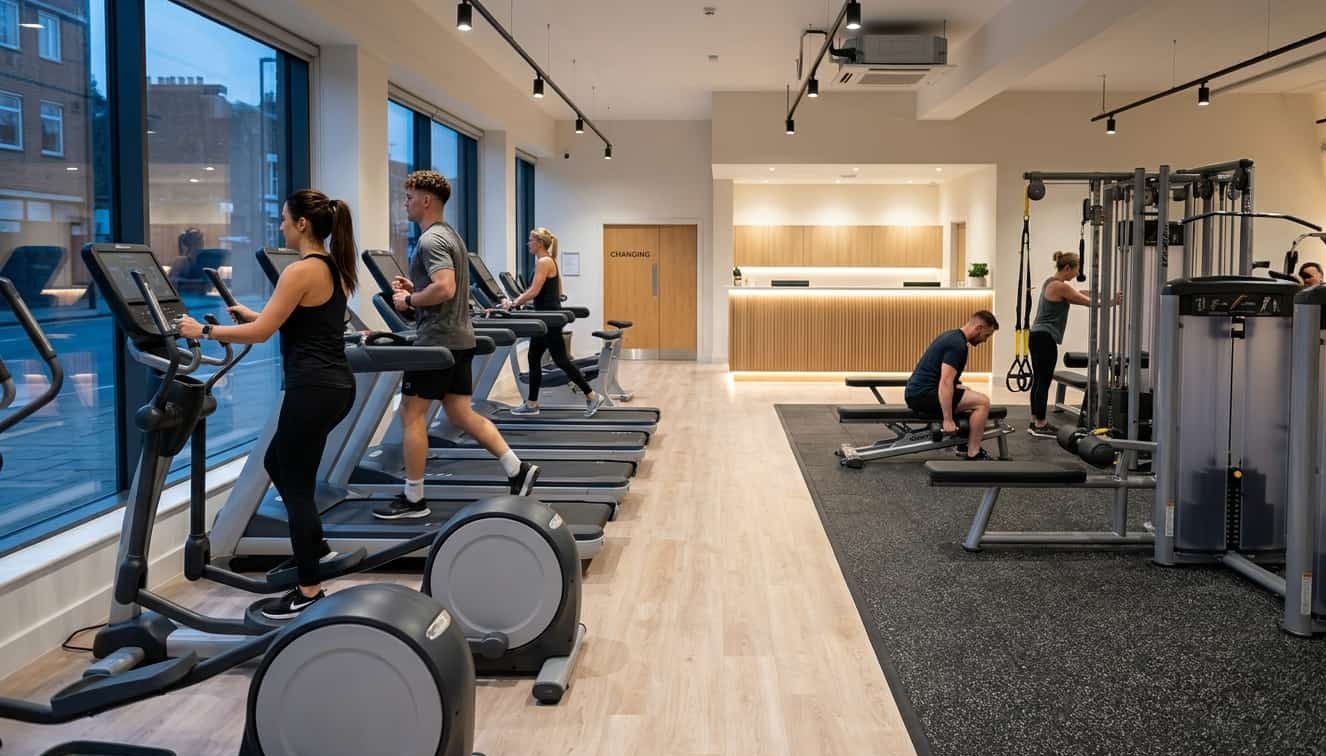
A gym’s appearance can have a significant impact on member retention and new sign-ups.
Members notice when equipment looks dated, flooring is worn, lighting feels tired or changing facilities no longer meet expectations. While these issues may not affect the quality of the workout itself, they can influence how members perceive the overall experience.
In such a competitive industry, facilities often need regular investment to meet member expectations and remain attractive to both existing and prospective members. The challenge is that refurbishment projects can be expensive.
A gym refurbishment involving new equipment, flooring, reception upgrades, changing rooms, and studio improvements can cost anywhere from £40,000 for a small personal training studio to £300,000 or more for a larger commercial facility. Funding a project of that size outright can place unnecessary pressure on cash reserves and working capital.
Gym fit-out finance allows businesses to spread the cost over manageable monthly payments rather than making a substantial upfront investment. Johnson Reed helps fitness businesses across the UK access funding for refurbishment projects ranging from equipment upgrades through to complete gym transformations.
What Does Gym Fit-Out Finance Cover?
The scope of a gym refurbishment can vary considerably from one project to another.
Some operators may simply be replacing ageing cardio and strength equipment, while others may be undertaking a full refurbishment involving training areas, changing facilities, reception spaces and studio environments.
The funding solution should reflect the type of expenditure involved.
Gym equipment is typically the most straightforward element to finance. Assets such as treadmills, exercise bikes, rowing machines, cable machines, free weights and functional training rigs are well suited to equipment finance because they retain value and can be financed through leasing or hire purchase agreements.
Fixed fit-out costs are different. Flooring, electrical work, air conditioning, partitioning, mirrors, and changing room refurbishments are generally funded through a business loan rather than an equipment lease, as these improvements cannot easily be removed or resold.
Many refurbishment projects are funded through a combination of both products. Equipment is financed through a lease, while fixed building improvements are funded separately through a business loan. This approach can provide greater flexibility while helping to keep repayments manageable.
The Aspire Gym case study demonstrates how one operator used a blended funding solution to complete a significant refurbishment project without compromising on quality.
Why Now Is a Good Time to Invest
The UK fitness sector continues to show strong demand, with consumers placing increasing importance on health, wellbeing and physical activity.
As member expectations rise, facility quality has become an increasingly important differentiator. Modern equipment, well-designed training spaces, and high-quality amenities can all contribute to a stronger member experience.
For many operators, refurbishment is no longer simply about aesthetics. It can support member retention, attract new customers, and help justify premium pricing.
Access to finance has also improved. Specialist lenders now have a much stronger understanding of the fitness sector and are often more willing to support refurbishment projects than traditional lenders.
For gym owners evaluating whether a refurbishment makes commercial sense, our guide on how gym studio owners are using finance to scale faster explores how fitness businesses are using finance to support growth while preserving working capital.
Finance agreements continue to offer fixed monthly repayments, allowing businesses to budget with greater certainty throughout the term.
Gym Refurbishment Loan UK vs Equipment Lease: Choosing the Right Structure
Choosing between a gym refurbishment loan UK v and an equipment lease is not simply a question of cost. The most suitable option depends on what is being funded and how the business intends to use the finance.
An equipment lease is secured against the assets being financed. Because the lender retains ownership of the equipment throughout the agreement, leasing can often offer competitive rates and flexible repayment structures.
This can make equipment finance accessible to businesses with shorter trading histories or those that prefer to preserve cash reserves for day-to-day operations.
A gym refurbishment loan UK provides greater flexibility where a project includes a mix of costs that cannot be funded through an equipment lease alone. This may include flooring, building work, electrical installations, air conditioning systems and other fixed improvements.
For personal training studios, where a larger proportion of the budget is often allocated to fit-out costs rather than equipment, a personal training studio fit-out loan may provide a simpler solution than combining multiple finance products.
The right structure will depend on the nature of the project, the funding requirement and the financial position of the business.
Understanding the Approval Process
Applying for gym renovation finance is often more straightforward than many business owners expect, but lenders will still assess several key areas before making a decision.
Trading history is usually one of the first considerations. Many lenders prefer to see at least two years of trading accounts, although specialist lenders may be willing to consider newer businesses in certain circumstances.
Cash flow is equally important. Lenders want confidence that repayments can be comfortably supported alongside existing business commitments. Recent bank statements and management accounts are commonly requested as part of the application process.
The refurbishment project itself will also be reviewed. Detailed supplier quotations, project costs, and a clear explanation of how funds will be used can help strengthen an application and improve lender confidence.
Preparing this information in advance can help streamline the approval process and reduce delays.
Planning Your Budget Realistically
One of the most common challenges during a refurbishment project is underestimating the total cost.
While equipment and contractor quotations are usually accounted for, additional expenses can quickly emerge. Delivery charges, installation costs, waste removal, temporary closures, and unforeseen project variations can all affect the final budget.
For this reason, many finance professionals recommend including a contingency of around 10–15% within the overall project budget. This provides flexibility if costs increase and helps protect working capital throughout the refurbishment.
Timing is equally important.
Arranging finance before work begins allows time to compare lenders, review terms, and secure the most appropriate funding solution. Waiting until a project is already underway can limit available options and increase pressure on decision-making.
Maintaining healthy cash flow throughout the refurbishment period is also critical, particularly where trading may be temporarily disrupted. Our guide to managing your cash flow effectively provides practical advice on planning for these periods while maintaining financial stability.
Taking the Next Step with Your Gym Finance
Gym fit-out finance can help bridge the gap between the improvements your facility needs and the capital available today.
Whether you are upgrading a personal training studio, refreshing member facilities, or undertaking a full commercial gym refurbishment, finance can help spread the cost while preserving working capital for day-to-day operations and future growth.
Many successful fitness businesses view their facilities as long-term revenue-generating assets. Investments in equipment, training environments, and member experience can support member retention, improve customer satisfaction, and create opportunities for increased revenue.
Research from CIMSPA continues to highlight the importance of high-quality facilities and positive member experiences within the fitness sector. While every investment should be evaluated on its own merits, refurbishment can play an important role in supporting long-term business growth.
The key consideration is whether the expected benefits of the investment justify the monthly repayments. Reviewing projected returns carefully before committing to a project can help ensure the funding structure aligns with your wider business objectives.
Before agreeing to suppliers or setting a project start date, it is worth exploring the funding options available. Securing a finance decision in principle early can provide greater certainty and help your project move forward with confidence.
Frequently Asked Questions
What does gym fit-out finance UK cover?
Gym fit-out finance can cover equipment purchases, flooring, lighting, changing room improvements, reception upgrades, and other refurbishment costs. Funding structures vary depending on the type of assets being financed.
How much can I borrow for a gym refurbishment?
Funding requirements vary significantly. Smaller studio projects may require £15,000–£50,000, while larger commercial gym refurbishments can exceed £500,000. Approval will depend on factors including trading history, profitability, and the nature of the project.
What is the difference between gym renovation finance and equipment leasing?
Equipment leasing is typically used for movable assets such as gym equipment and is secured against those assets. Gym renovation finance can be used to fund a broader range of refurbishment costs, including fixed improvements that cannot be financed through a standard equipment lease.
How long does approval take?
Timescales vary by lender and project complexity. Straightforward applications may receive a decision within a few working days, while larger or more complex projects may take longer.
Can newer fitness businesses apply?
Some specialist lenders are willing to consider businesses with less than two years of trading history, particularly where management experience and financial forecasts support the application.
What is a personal training studio fit-out loan?
A personal training studio fit-out loan is designed to fund the costs associated with opening, expanding, or refurbishing a PT studio. Funding can cover equipment, flooring, lighting, storage solutions, and other fit-out requirements.
Should I include a contingency within my finance requirement?
Many businesses choose to include a contingency allowance of around 10–15% to help manage unforeseen costs and avoid putting pressure on working capital during the project.